No site da SBD, receitas para páscoa dos pacientes com diabetes. Vale a pena conferir
http://www.diabetes.org.br/component/content/article/45-noticias-em-destaque/224-pascoa
Mostrando postagens com marcador diabetes. Mostrar todas as postagens
Mostrando postagens com marcador diabetes. Mostrar todas as postagens
segunda-feira, 29 de março de 2010


quarta-feira, 3 de março de 2010
sábado, 20 de fevereiro de 2010
Mesenchymal Stem Cells transplantation
 Research on Stem Cells in Treatment of Diabetes
By Pablo de Moraes
Recent discoveries and studies are successful doing science world eyes return to Brazil. It is a team of scientists from the University of São Paulo, Ribeirão Preto, has achieved outstanding results in research with stem and due to the success were highlighted in major journals worldwide, including the Jama (Journal of the American Medical Association).
The news was presented recently during a talk at the State Institute of Diabetes and Endocrinology Luiz Capriglione (IEDE), In Rio de Janeiro, made by Eduardo Couri, A leader of the research.
Hematopoietic Stem
One of the protocols presented was the "Autologous Transplantation of Hematopoietic Stem Cells in Patients with Newly Diagnosed DM1. According to Dr. Eduardo Couri, is initially made a collection of stem cells Hematopoietic and then they are frozen. After two weeks, it is the severe immunosuppression in order to completely destroy immune "Defective" the person with diabetes.
"It's like a shutdown of the immune system with chemotherapy in a hospital environment, using drugs such as cyclophosphamide and antithymocyte globulin intravenous for five days," says the doctor.
According to him, then the immune system is "reconnected" with the use of hematopoietic stem cells from the patient. Occurs what we call 'reset immune', causing the immune system to stop attacking pancreatic beta-cells. Thus, the remaining beta cells, which have not been destroyed, tend to produce insulin properly again, "he said. "This is why we only work with people in the onset of diabetes, aged between 12 and 35 years, with less than six weeks of diagnosis," he adds.
The method showed excellent results: the 23 people who participated in the process, 20 stopped using insulin at some point, and 12 remained continuously free and 8 temporarily. "They are not cured, but controlled and free insulin. They have done a Alimentary Education and currently monitor the glucose and daily practice physical activities constantly, "says the doctor.
Mesenchymal Stem
The second protocol was presented which uses infusion of mesenchymal stem cells, taken from the bone marrow of a first-degree relative of the patient. According to Dr. Eduardo Couri, in animal studies, these cells showed the ability to block the phenomenon of autoimmunity and promote the regeneration of beta cells, reversing the Type 1 diabetes.
The treatment is as follows: the donor, which can only be a first-degree relative, receive general anesthesia for the collection of bone marrow cells. Then, the mesenchymal cells are proliferating in the laboratory. Subsequently, the patient receives consecutive intravenous infusions of these cells. According to Dr. Eduardo Couri, infusions are simple, not involving prolonged hospitalization. Once deployed, they migrate to the inflamed tissue (in case the pancreas) and settle there.
This procedure is being done only in people aged 12 to 35 yearsWith less than four weeks of diabetes. "In that first moment, we are working with newly diagnosed diabetes, but we will soon, depending on the results, carry it in people with long-term, which is the majority," said the doctor.
To date, three patients participated. Of these, one of them managed to be free of insulin, however, the diabetes is uncontrolled. "We are in the research phase of thinking more than acting, we must agree doses, assess risks, and then begin treatment for those with diabetes for longer," he says.
Pioneering
According to Dr. Eduardo Couri, other research has been conducted around the world, but the group of Ribeirão Preto is a pioneer, the greatest number of patients included and the greatest return. A major limitation, however, is the high cost of procedures, since the methods require the-art laboratories and personnel types within.
For the president of SBEM and director of IEDE, Dr. Ricardo Meirelles, the studies are extremely important to improve the lives of patients with diabetes. "In recent years we have had many advances in the treatment, but certainly the recovery of pancreatic cells, or at least preserve them, is the best way you can prevent diabetes continues to evolve and, therefore, appears to be one of the most promising treatment in time, "he said. "It's a matter of pride for Brazil," he adds.
quinta-feira, 18 de fevereiro de 2010
Descoberta chave para reversão do Diabetes tipo 1
Descoberta Chave para reverter Diabetes Tipo 1
The Journal of Clinical Endocrinology and Metabolism. Fevereiro 2010
Os membros de uma equipe de pesquisa no centro, liderada por Jerry Nadler, MD, professor e chefe da cadeira da medicina interna e director do centro de pesquisas The Clinical Research Center of Eastern Virginia Medical School, estão estudando o papel da enzima 12-Lipoxigenase (12-LO) e sua relação no desenvolvimento do diabetes Tipo 1 . Eles esperam que o estudo e a segmentação desta enzima será a chave para a cura do DMT1.
A diabetes tipo 1 é uma condição crônica que se desenvolve quando o pâncreas pára de gerar insulina suficiente para manter os níveis normais de glicose (açúcar) no sangue. A insulina move o açúcar da da corrente sanguínea para as células do corpo, de modo este açúcar possa ser usado para gerar energia. Na diabetes tipo 1, os ataques ao sistema imunológico, detróem as células produtoras de insulina chamadas de células beta, células uqe são encontradas apenas no pâncreas. Quando as células beta morrem, o corpo não consegue produzir insulina suficiente para regular os níveis de glicose, e isto pode levar a graves complicações de saúde, até a morte, quando o tratamento com a correta reposição de insulina não é adequadamente realizado.
Atualmente é amplamente aceito que a inflamação desempenha um papel fundamental na destruição das células beta. Mas os fatores precisos ainda não são totalmente bem conhecidos. A base de proteína enzima encontrada em células beta, a 12-LO produz lipídios específicos que causam a inflamação e pode levar à morte das células beta, em modelos laboratoriais. Na verdade, os pesquisadores demonstraram que eliminar o gene que produz 12-LO, impede o desenvolvimento da diabetes tipo 1 em ratos.
Dr. Nadler, explica que o desafio tem sido a de validar a 12-LO e seus produtos lipídicos pró-inflamatórios como tendo um papel no diabetes humano. Ter acesso às células beta humanas é difícil, mas o The Clinical Research Center of Eastern Virginia Medical School (EVMS) está entre um número limitado de grupos de pesquisa que podem receber as ilhotas humanas - a região do pâncreas, que contém células beta - de pessoas que doaram seus corpos para a ciência através da juvenil Diabetes Research Foundation Islet Resource Center Consortium.
Graças a esse recurso, a equipe da EVMS confirmou que 12-LO é realmente encontrado em ilhotas humanas e nos seres humanos, como nos ratos, os seus produtos lipídicos pró-inflamatórios que podem levar à menor produção de insulina e da morte das células beta.
"Nós já confirmamos que a 12-LO é um alvo nos seres humanos, particularmente no pâncreas, e esta descoberta irá ajudar a busca de novas terapias", diz o Dr. kaiwen Ma.
"O próximo passo será desenvolver uma droga que atinge a 12-LO e combinar isso com a regeneração celular."
"Estamos atualmente trabalhando com pesquisadores da Califórnia e do Instituto Nacional de Saúde para identificar medicamentos que foquem a inibição da 12-LO como um novo tratamento para impedir danos imunes às células humanas produtoras de insulina", diz o Dr. David A. Taylor-Fishwick .
Acopanharei o desenvolvimento desta pesquisa e farei o update para todos.
Dr. Mauro
Artigo (*notice post) original em Inglês
Members of a research team at the center, led by Jerry Nadler, MD, professor and chair of internal medicine and director of the center, have been studying the role of the enzyme 12-Lipoxygenase (12-LO) in the development of Type 1 diabetes. They hope that targeting this enzyme will hold the key to a cure.
Type 1 diabetes is a chronic condition that develops when the pancreas stops generating enough insulin to maintain normal levels of glucose (sugar) in the blood. Insulin moves sugar from the bloodstream to cells so that it can be used to generate energy. In Type 1 diabetes, a person's immune system attacks the insulin-producing beta cells, found only in the pancreas. When the beta cells die, the body no longer can produce enough insulin to regulate blood-glucose levels, and this can lead to serious health complications, even death, without treatment.
It is generally understood that inflammation plays a vital role in beta-cell destruction. But the precise factors are not well known. A protein-based enzyme found in beta cells, 12-LO produces specific lipids that cause inflammation and can lead to the death of beta cells in laboratory models. In fact, EVMS researchers have demonstrated that deleting the gene that produces 12-LO prevents the development of Type 1 diabetes in mice.
Dr. Nadler explains that the challenge has been to validate that 12-LO and its pro-inflammatory lipid products have a role in human diabetes. Gaining access to human beta cells can be difficult, but EVMS is among a limited number of research groups that can receive human islets -- the region of the pancreas that contains beta cells -- from individuals who have donated their bodies to science through the Juvenile Diabetes Research Foundation Islet Resource Center Consortium.
Thanks to that resource, the EVMS team has confirmed that 12-LO is indeed found in human islets, and in humans, like in mice, its pro-inflammatory lipid products can lead to lower insulin production and beta cell death.
"We've now confirmed that 12-LO is a relevant target in humans, particularly in the pancreas, and will help lead to new therapies," Dr. Kaiwen Ma says.
"That's why these new findings are so important," Dr. Swarup K. Chakrabarti says. "The next step will be to develop a drug that targets 12-LO and combine that with cell regeneration."
"We are currently working with investigators in California and the National Institutes of Health to identify ideal medications that would target 12-LO as a new treatment to halt immune damage to human insulin-producing cells," Dr. David A. Taylor-Fishwick says.
The Journal of Clinical Endocrinology and Metabolism. Fevereiro 2010
Os membros de uma equipe de pesquisa no centro, liderada por Jerry Nadler, MD, professor e chefe da cadeira da medicina interna e director do centro de pesquisas The Clinical Research Center of Eastern Virginia Medical School, estão estudando o papel da enzima 12-Lipoxigenase (12-LO) e sua relação no desenvolvimento do diabetes Tipo 1 . Eles esperam que o estudo e a segmentação desta enzima será a chave para a cura do DMT1.A diabetes tipo 1 é uma condição crônica que se desenvolve quando o pâncreas pára de gerar insulina suficiente para manter os níveis normais de glicose (açúcar) no sangue. A insulina move o açúcar da da corrente sanguínea para as células do corpo, de modo este açúcar possa ser usado para gerar energia. Na diabetes tipo 1, os ataques ao sistema imunológico, detróem as células produtoras de insulina chamadas de células beta, células uqe são encontradas apenas no pâncreas. Quando as células beta morrem, o corpo não consegue produzir insulina suficiente para regular os níveis de glicose, e isto pode levar a graves complicações de saúde, até a morte, quando o tratamento com a correta reposição de insulina não é adequadamente realizado.
Atualmente é amplamente aceito que a inflamação desempenha um papel fundamental na destruição das células beta. Mas os fatores precisos ainda não são totalmente bem conhecidos. A base de proteína enzima encontrada em células beta, a 12-LO produz lipídios específicos que causam a inflamação e pode levar à morte das células beta, em modelos laboratoriais. Na verdade, os pesquisadores demonstraram que eliminar o gene que produz 12-LO, impede o desenvolvimento da diabetes tipo 1 em ratos.
Dr. Nadler, explica que o desafio tem sido a de validar a 12-LO e seus produtos lipídicos pró-inflamatórios como tendo um papel no diabetes humano. Ter acesso às células beta humanas é difícil, mas o The Clinical Research Center of Eastern Virginia Medical School (EVMS) está entre um número limitado de grupos de pesquisa que podem receber as ilhotas humanas - a região do pâncreas, que contém células beta - de pessoas que doaram seus corpos para a ciência através da juvenil Diabetes Research Foundation Islet Resource Center Consortium.
Graças a esse recurso, a equipe da EVMS confirmou que 12-LO é realmente encontrado em ilhotas humanas e nos seres humanos, como nos ratos, os seus produtos lipídicos pró-inflamatórios que podem levar à menor produção de insulina e da morte das células beta.
"Nós já confirmamos que a 12-LO é um alvo nos seres humanos, particularmente no pâncreas, e esta descoberta irá ajudar a busca de novas terapias", diz o Dr. kaiwen Ma.
"O próximo passo será desenvolver uma droga que atinge a 12-LO e combinar isso com a regeneração celular."
"Estamos atualmente trabalhando com pesquisadores da Califórnia e do Instituto Nacional de Saúde para identificar medicamentos que foquem a inibição da 12-LO como um novo tratamento para impedir danos imunes às células humanas produtoras de insulina", diz o Dr. David A. Taylor-Fishwick .
Acopanharei o desenvolvimento desta pesquisa e farei o update para todos.
Dr. Mauro
Artigo (*notice post) original em Inglês
Key to Reversing Type 1 Diabetes Discovered
The Journal of Clinical Endocrinology and Metabolism. Feb 2010Members of a research team at the center, led by Jerry Nadler, MD, professor and chair of internal medicine and director of the center, have been studying the role of the enzyme 12-Lipoxygenase (12-LO) in the development of Type 1 diabetes. They hope that targeting this enzyme will hold the key to a cure.
Type 1 diabetes is a chronic condition that develops when the pancreas stops generating enough insulin to maintain normal levels of glucose (sugar) in the blood. Insulin moves sugar from the bloodstream to cells so that it can be used to generate energy. In Type 1 diabetes, a person's immune system attacks the insulin-producing beta cells, found only in the pancreas. When the beta cells die, the body no longer can produce enough insulin to regulate blood-glucose levels, and this can lead to serious health complications, even death, without treatment.
It is generally understood that inflammation plays a vital role in beta-cell destruction. But the precise factors are not well known. A protein-based enzyme found in beta cells, 12-LO produces specific lipids that cause inflammation and can lead to the death of beta cells in laboratory models. In fact, EVMS researchers have demonstrated that deleting the gene that produces 12-LO prevents the development of Type 1 diabetes in mice.
Dr. Nadler explains that the challenge has been to validate that 12-LO and its pro-inflammatory lipid products have a role in human diabetes. Gaining access to human beta cells can be difficult, but EVMS is among a limited number of research groups that can receive human islets -- the region of the pancreas that contains beta cells -- from individuals who have donated their bodies to science through the Juvenile Diabetes Research Foundation Islet Resource Center Consortium.
Thanks to that resource, the EVMS team has confirmed that 12-LO is indeed found in human islets, and in humans, like in mice, its pro-inflammatory lipid products can lead to lower insulin production and beta cell death.
"We've now confirmed that 12-LO is a relevant target in humans, particularly in the pancreas, and will help lead to new therapies," Dr. Kaiwen Ma says.
"That's why these new findings are so important," Dr. Swarup K. Chakrabarti says. "The next step will be to develop a drug that targets 12-LO and combine that with cell regeneration."
"We are currently working with investigators in California and the National Institutes of Health to identify ideal medications that would target 12-LO as a new treatment to halt immune damage to human insulin-producing cells," Dr. David A. Taylor-Fishwick says.
quarta-feira, 9 de dezembro de 2009
Incident Dysglycemia and Progression to Type 1 Diabetes among Participants in the Diabetes Prevention Trial–Type 1
Objective—We studied the incidence of dysglycemia and its prediction of the development of type 1 diabetes in islet cell autoantibody (ICA)-positive individuals. In addition, we assessed whether dysglycemia was sustained.
Research design and methods—Participants (n = 515) in the Diabetes Prevention Trial–Type 1 (DPT-1) with normal glucose tolerance who underwent periodic oral glucose tolerance tests (OGTTs) were followed for incident dysglycemia (impaired fasting glucose, impaired glucose tolerance, and/or high glucose levels at intermediate time points of OGTTs). Incident dysglycemia at the 6-month visit was assessed for type 1 diabetes prediction.
Results—Of 515 participants with a normal baseline OGTT, 310 (60%) had at least one episode of dysglycemia over a maximum follow-up of 7 years. Dysglycemia at the 6-month visit was highly predictive of the development of type 1 diabetes, both in those aged <13 years (P < 0.001) and those aged ≥13 years (P < 0.01). Those aged <13 years with dysglycemia at the 6-month visit had a high cumulative incidence (94% estimate by 5 years). Among those who developed type 1 diabetes after a dysglycemic OGTT and who had at least two OGTTs after the dysglycemic OGTT, 33 of 64 (52%) reverted back to a normal OGTT. However, 26 (79%) of the 33 then had another dysglycemic OGTT before diagnosis.
Conclusions—ICA-positive individuals with normal glucose tolerance had a high incidence of dysglycemia. Incident dysglycemia in those who are ICA positive is strongly predictive of type 1 diabetes. Children with incident dysglycemia have an especially high risk. Fluctuations in and out of the dysglycemic state are not uncommon before the onset of type 1 diabetes.
Research design and methods—Participants (n = 515) in the Diabetes Prevention Trial–Type 1 (DPT-1) with normal glucose tolerance who underwent periodic oral glucose tolerance tests (OGTTs) were followed for incident dysglycemia (impaired fasting glucose, impaired glucose tolerance, and/or high glucose levels at intermediate time points of OGTTs). Incident dysglycemia at the 6-month visit was assessed for type 1 diabetes prediction.
Results—Of 515 participants with a normal baseline OGTT, 310 (60%) had at least one episode of dysglycemia over a maximum follow-up of 7 years. Dysglycemia at the 6-month visit was highly predictive of the development of type 1 diabetes, both in those aged <13 years (P < 0.001) and those aged ≥13 years (P < 0.01). Those aged <13 years with dysglycemia at the 6-month visit had a high cumulative incidence (94% estimate by 5 years). Among those who developed type 1 diabetes after a dysglycemic OGTT and who had at least two OGTTs after the dysglycemic OGTT, 33 of 64 (52%) reverted back to a normal OGTT. However, 26 (79%) of the 33 then had another dysglycemic OGTT before diagnosis.
Conclusions—ICA-positive individuals with normal glucose tolerance had a high incidence of dysglycemia. Incident dysglycemia in those who are ICA positive is strongly predictive of type 1 diabetes. Children with incident dysglycemia have an especially high risk. Fluctuations in and out of the dysglycemic state are not uncommon before the onset of type 1 diabetes.
terça-feira, 8 de dezembro de 2009
Insulin Pump With Glucose Sensor More Effective at Lowering HbA1c Than Multiple Daily Injections
From Medscape Medical News
Insulin Pump With Glucose Sensor More Effective at Lowering HbA1c Than Multiple Daily Injections
Becky McCall
(Vienna, Austria) — A sensor-augmented pump (SAP), which combines an insulin pump with a continuous glucose sensor, delivers lower hemoglobin (Hb)A1c levels than multiple daily injections, without an increase in hypoglycemia. This finding potentially moves pumps a step nearer to the ultimate aim of a closed system and greater control and convenience for patients with type 1 diabetes, researchers reported here at the European Association for the Study of Diabetes 45th Annual Meeting.
Standard pumps provide the patient with a continuous infusion of short-acting insulins instead of multiple daily injection therapy, which provides a one-time, less flexible hit with long-acting insulin. The SAP combines a continuous glucose sensor with the insulin pump.
"By measuring glucose concentration in the subcutaneous tissue every 5 minutes, the patient has a constant stream of information, compared with patients without a sensor who have to measure glucose levels with a finger stick test at mealtimes and a few extra times during the day. Previously, patients only had 5 or 6 measurement time points, but now they know this level throughout the day," said Jeroen Hermanides, MD, from the Academic Medical Centre in Amsterdam, the Netherlands, who presented the study.
Coauthor J. Hans DeVries, MD, also from the Academic Medical Centre in Amsterdam, added: "We particularly wanted patients who had a problem with diabetes control to counteract the common belief that sensors are toys for boys, that many people use sensors for convenience but don't necessarily need them," he told Medscape Diabetes & Endocrinology.
The multinational, multicenter, randomized controlled trial involved 83 patients with type 1 diabetes. All patients had an HbA1c level above or equal to 8.2%. All received 26 weeks of therapy either with a SAP or with the standard of care, multiple daily injections. All patients had suboptimal control of HbA1c. Levels of HbA1c were measured at 13 and 26 weeks and the occurrence of hypoglycemic and hyperglycemic events was recorded. The duration of hyperglycemic events was also measured.
After 26 weeks of SAP therapy, the HBA1c decreased from 8.46 ± 0.95% to 7.23 ± 0.65%. In the multiple daily injection group, mean HbA1c was 8.59 ± 0.82% before therapy and 8.46 ± 1.04% after. "When we account for baseline HbA1c, there is a 1.21% magnitude of change compared with [multiple daily injection] therapy. But we also saw the duration of hyperglycemic events decrease. So there weren't fewer hyperglycemic events but they were of shorter duration. Hyperglycemia is corrected earlier than if the patient has to wait for the next finger prick," added Dr. Hermanides.
In addition to continuous monitoring, the SAP has a program called a Bolus Wizard, which provides the patient with advice on the required amount of insulin to cover a meal without the need for a finger prick test. Dr. DeVries explained: "We found SAP-controlled glucose levels were not accompanied by a significant increase in hypoglycemia. If you optimize insulin delivery by moving from injections to an insulin pump, and in addition optimize glucose levels with a continuous stream of glucose data and information from the Bolus Wizard, then this will make a difference to HbA1c levels."
Commenting on the use of insulin pumps, Dr. Denis Raccah, MD, diabetologist from the University Hospital Sainte Marguerite in Marseille, France, said the SAP was an important step toward developing a closed loop system and a significant advance for patients. "It is not a closed loop system yet because we do not have the algorithm between glycemia and insulin dose; it is still an open loop system. Patients have real-time access to their glycemia, thus avoiding hypoglycemic events during the night. Sometimes patients don't feel hypoglycemic during the night so this device could be used with an alarm. It would also prove useful in physical activity."
He continued to explain that in the REAL Trend study, which Dr. Raccah led, it was shown that when a poorly controlled patient on multiple daily injections is transferred to an integrated system with an insulin pump and sensor, rather than a pump with glucose measured conventionally, then a significant improvement in HbA1c is seen after 6 months, and there is no increase in hypoglycemic events compared with using a pump alone."
Simon Heller, MB, BChir, MRCP, DM, FRCP, from the Sheffield Teaching Hospitals NHS Foundation Trust in the United Kingdom, told Medscape Diabetes & Endocrinology that "the potential of sensor-augmented pump therapy to improve glycemic control without increasing the risk for hypoglycemia may be a significant advance, but further work is still needed."
"These benefits have also been reported with high-quality structured education alone," Dr. Heller pointed out. "Future trials need to include a structured education arm as a control to measure the additional benefit of the technology."
Dr. DeVries received funding from Medtronic. Dr. Raccah's Real Trend study was also funded by Medtronic. Dr. Heller has disclosed no relevant financial relationships.
European Association for the Study of Diabetes (EASD) 45th Annual Meeting: Abstract 90. Presented October 1, 2009.
Insulin Pump With Glucose Sensor More Effective at Lowering HbA1c Than Multiple Daily Injections
Becky McCall
(Vienna, Austria) — A sensor-augmented pump (SAP), which combines an insulin pump with a continuous glucose sensor, delivers lower hemoglobin (Hb)A1c levels than multiple daily injections, without an increase in hypoglycemia. This finding potentially moves pumps a step nearer to the ultimate aim of a closed system and greater control and convenience for patients with type 1 diabetes, researchers reported here at the European Association for the Study of Diabetes 45th Annual Meeting.
Standard pumps provide the patient with a continuous infusion of short-acting insulins instead of multiple daily injection therapy, which provides a one-time, less flexible hit with long-acting insulin. The SAP combines a continuous glucose sensor with the insulin pump.
"By measuring glucose concentration in the subcutaneous tissue every 5 minutes, the patient has a constant stream of information, compared with patients without a sensor who have to measure glucose levels with a finger stick test at mealtimes and a few extra times during the day. Previously, patients only had 5 or 6 measurement time points, but now they know this level throughout the day," said Jeroen Hermanides, MD, from the Academic Medical Centre in Amsterdam, the Netherlands, who presented the study.
Coauthor J. Hans DeVries, MD, also from the Academic Medical Centre in Amsterdam, added: "We particularly wanted patients who had a problem with diabetes control to counteract the common belief that sensors are toys for boys, that many people use sensors for convenience but don't necessarily need them," he told Medscape Diabetes & Endocrinology.
The multinational, multicenter, randomized controlled trial involved 83 patients with type 1 diabetes. All patients had an HbA1c level above or equal to 8.2%. All received 26 weeks of therapy either with a SAP or with the standard of care, multiple daily injections. All patients had suboptimal control of HbA1c. Levels of HbA1c were measured at 13 and 26 weeks and the occurrence of hypoglycemic and hyperglycemic events was recorded. The duration of hyperglycemic events was also measured.
After 26 weeks of SAP therapy, the HBA1c decreased from 8.46 ± 0.95% to 7.23 ± 0.65%. In the multiple daily injection group, mean HbA1c was 8.59 ± 0.82% before therapy and 8.46 ± 1.04% after. "When we account for baseline HbA1c, there is a 1.21% magnitude of change compared with [multiple daily injection] therapy. But we also saw the duration of hyperglycemic events decrease. So there weren't fewer hyperglycemic events but they were of shorter duration. Hyperglycemia is corrected earlier than if the patient has to wait for the next finger prick," added Dr. Hermanides.
In addition to continuous monitoring, the SAP has a program called a Bolus Wizard, which provides the patient with advice on the required amount of insulin to cover a meal without the need for a finger prick test. Dr. DeVries explained: "We found SAP-controlled glucose levels were not accompanied by a significant increase in hypoglycemia. If you optimize insulin delivery by moving from injections to an insulin pump, and in addition optimize glucose levels with a continuous stream of glucose data and information from the Bolus Wizard, then this will make a difference to HbA1c levels."
Commenting on the use of insulin pumps, Dr. Denis Raccah, MD, diabetologist from the University Hospital Sainte Marguerite in Marseille, France, said the SAP was an important step toward developing a closed loop system and a significant advance for patients. "It is not a closed loop system yet because we do not have the algorithm between glycemia and insulin dose; it is still an open loop system. Patients have real-time access to their glycemia, thus avoiding hypoglycemic events during the night. Sometimes patients don't feel hypoglycemic during the night so this device could be used with an alarm. It would also prove useful in physical activity."
He continued to explain that in the REAL Trend study, which Dr. Raccah led, it was shown that when a poorly controlled patient on multiple daily injections is transferred to an integrated system with an insulin pump and sensor, rather than a pump with glucose measured conventionally, then a significant improvement in HbA1c is seen after 6 months, and there is no increase in hypoglycemic events compared with using a pump alone."
Simon Heller, MB, BChir, MRCP, DM, FRCP, from the Sheffield Teaching Hospitals NHS Foundation Trust in the United Kingdom, told Medscape Diabetes & Endocrinology that "the potential of sensor-augmented pump therapy to improve glycemic control without increasing the risk for hypoglycemia may be a significant advance, but further work is still needed."
"These benefits have also been reported with high-quality structured education alone," Dr. Heller pointed out. "Future trials need to include a structured education arm as a control to measure the additional benefit of the technology."
Dr. DeVries received funding from Medtronic. Dr. Raccah's Real Trend study was also funded by Medtronic. Dr. Heller has disclosed no relevant financial relationships.
European Association for the Study of Diabetes (EASD) 45th Annual Meeting: Abstract 90. Presented October 1, 2009.
domingo, 29 de novembro de 2009
A1C Variability Linked to Diabetes Complications
Variability in glycosylated hemoglobin (A1C) predicts the development of complications in patients with type 1 diabetes, say researchers from Finland in the November Diabetes.
"Consider not only the level of A1C, but also the A1C variability profile of a patient as a risk indicator of diabetic complications," Dr. Johan Waden from Helsinki University Central Hospital, told Reuters Health. "In our study, cardiovascular events were related to A1C variability but not to the actual A1C level."
Dr. Waden and colleagues used data from the observational, longitudinal Finnish Diabetic Nephropathy (FinnDiane) Study to analyze the effect of both the mean A1C and the variability of A1C on the prediction of type 1 diabetes complications.
Complete data on renal status and serial measurements were available for 2107 patients, and data on cardiovascular disease events were available for 1845 patients.
The intrapersonal mean of serially measured A1C was 8.5% with a variability (standard deviation) of 0.78, the authors report.
The variability in A1C increased according to baseline renal status, from 0.75 in patients with normoalbuminuria to 0.82 with microalbuminuria, 0.89 with macroalbuminuria, and 0.79 with end-stage renal disease.
A1C variability was significantly higher in patients who progressed to cardiovascular disease events (0.87) than in those who did not (0.79), the researchers note.
A1C variability was greater in all subgroups of patients who worsened in renal status, the investigators say, and the results were similar when coefficient of variation was used as the measure of A1C variability.
Higher A1C variability was associated with younger age, lower age at onset of diabetes, shorter duration of diabetes, lower insulin sensitivity, dyslipidemia, higher baseline A1C, both current and ever smoking, lower socioeconomic class, and lower leisure-time physical activity.
In multivariate models, the standard deviation of serial A1C measurements predicted progression in renal status and cardiovascular disease events independently of mean serial A1C.
"Our data include only patients with type 1 diabetes, and our findings are not necessarily applicable to type 2 diabetes," Dr. Waden cautioned. "Our data are purely observational, and the causal relationships have to be further studied."
"If A1C variability plays a role in the development of diabetic nephropathy, we would expect an association also with other microvascular diabetic complications (retinopathy and neuropathy) since the risk factor profile, especially the glycemic control, is to a large extent similar to that of nephropathy," Dr. Waden said.
"We showed that patients with signs of a disadvantageous lifestyle (low socioeconomic status, smoking, and low physical activity) had higher A1C variability," Dr. Waden added. "Other additional factors such as diet and psychosocial aspects would also be interesting to study. Infections may be implicated and this could also be further studied."
Diabetes. 2009;58:2649-2655.
"Consider not only the level of A1C, but also the A1C variability profile of a patient as a risk indicator of diabetic complications," Dr. Johan Waden from Helsinki University Central Hospital, told Reuters Health. "In our study, cardiovascular events were related to A1C variability but not to the actual A1C level."
Dr. Waden and colleagues used data from the observational, longitudinal Finnish Diabetic Nephropathy (FinnDiane) Study to analyze the effect of both the mean A1C and the variability of A1C on the prediction of type 1 diabetes complications.
Complete data on renal status and serial measurements were available for 2107 patients, and data on cardiovascular disease events were available for 1845 patients.
The intrapersonal mean of serially measured A1C was 8.5% with a variability (standard deviation) of 0.78, the authors report.
The variability in A1C increased according to baseline renal status, from 0.75 in patients with normoalbuminuria to 0.82 with microalbuminuria, 0.89 with macroalbuminuria, and 0.79 with end-stage renal disease.
A1C variability was significantly higher in patients who progressed to cardiovascular disease events (0.87) than in those who did not (0.79), the researchers note.
A1C variability was greater in all subgroups of patients who worsened in renal status, the investigators say, and the results were similar when coefficient of variation was used as the measure of A1C variability.
Higher A1C variability was associated with younger age, lower age at onset of diabetes, shorter duration of diabetes, lower insulin sensitivity, dyslipidemia, higher baseline A1C, both current and ever smoking, lower socioeconomic class, and lower leisure-time physical activity.
In multivariate models, the standard deviation of serial A1C measurements predicted progression in renal status and cardiovascular disease events independently of mean serial A1C.
"Our data include only patients with type 1 diabetes, and our findings are not necessarily applicable to type 2 diabetes," Dr. Waden cautioned. "Our data are purely observational, and the causal relationships have to be further studied."
"If A1C variability plays a role in the development of diabetic nephropathy, we would expect an association also with other microvascular diabetic complications (retinopathy and neuropathy) since the risk factor profile, especially the glycemic control, is to a large extent similar to that of nephropathy," Dr. Waden said.
"We showed that patients with signs of a disadvantageous lifestyle (low socioeconomic status, smoking, and low physical activity) had higher A1C variability," Dr. Waden added. "Other additional factors such as diet and psychosocial aspects would also be interesting to study. Infections may be implicated and this could also be further studied."
Diabetes. 2009;58:2649-2655.

Contagem de Carboidratos
"Contagem de carboidratos", é um planejamento da refeição para a gestão técnica de seus níveis de glicose no sangue. Os alimentos que contêm carboidratos aumentam a glicose no sangue. Ao manter o controle de quantos carboidratos você come e ao definirmos um limite para o seu valor de máximo de carboidratos para comer, você pode ajudar a manter os seus níveis de glicose no sangue dentro do seu alvo. Encontrar a quantidade certa de carboidratos depende de muitas coisas, inclusive de quanto ativo você é e que medicamentos que toma.
Quanto Carboidrato?
Claro que isso depende da sua idade, atividade física , índice de massa corporal, etc... Um lugar para começar é de cerca de 45-60 gramas de carboidratos em uma refeição. Você pode precisar de mais ou menos carboidratos nas refeições, dependendo de como você gerencia a sua diabetes. Você e sua equipe de saúde podem descobrir a quantidade certa e específica para você. Depois de saber o quanto comer em uma refeição, escolha o seu alimento e o tamanho da quantidade de carboidratos contidos nesta refeição para corresponder à sua necessidade.
Quais os alimentos que têm hidratos de carbono?
Os alimentos que contêm carboidratos são:
alimentos ricos em amido como pão, cereais, arroz e biscoitos
fruta e suco
leite e iogurte
feijão, como feijão e produtos de soja, como hambúrgueres
legumes amido, como batatas e milho
doces e salgadinhos como refrigerantes, bebidas sucos, bolos, biscoitos, doces e batatas fritas
amiláceos não leguminosos podem ter um pouco de carboidrato, mas em geral são muito baixos.
Quanto carboidrato existe nesses alimentos?
Leitura de rótulos dos alimentos é uma ótima maneira de saber quanto existe de carboidratos nos alimentos. Para os alimentos que não têm um rótulo, você tem que estimar a quantidade de carboidrato que está nele. Manter porções gerais e habituais em mente irá ajudá-lo a estimar quanto carbohidrato você está comendo.
Por exemplo, há cerca de 15 gramas de carboidrato em:
1 pequeno pedaço de fruta fresca (4 oz)
½ xícara de frutas enlatadas ou congeladas
1 fatia de pão (1 oz) ou 1 (6 polegadas) tortilla
½ xícara de farinha de aveia
⅓ xícara de macarrão ou de arroz
4-6 biscoitos
½ muffin Inglês ou pão de hamburger
½ xícara de feijão preto ou de produtos amiláceos
¼ de uma grande batata assada oz (3)
⅔ xícara iogurte desnatado ou adoçado com adoçantes
2 cookies pequenos
1 pedaço qudrado de 6cm de brownie ou bolo sem cobertura
½ xícara de sorvete
1 colher de sopa de xarope, compota, geléia, açúcar ou mel
2 colheres de sopa de xarope de milho
6 nuggets de frango
½ xícara de cozido
1 xícara de sopa
¼ de prato de batatas fritas
Proteína e gordura
Com a contagem de carboidratos, é fácil esquecer a proteína e a gordura nas refeições. Sempre inclua uma fonte de proteína e gordura para equilibrar a sua refeição.
Usando os rótulos
A contagem de carboidratos é mais fácil quando os rótulos dos alimentos estão disponíveis. Você pode olhar o quanto de carboidrato existe nos alimentos que quer comer e decidir quanta comida que você pode comer. As duas coisas mais importantes para a contagem de carboidratos são o tamanho da porção e a quantidade total de carboidratos nela contida.
Olhe o tamanho da porção. Toda a informação no rótulo é sobre esta porção de comida. Se você vai estar comendo uma porção maior, então você vai precisar de duplicar ou triplicar a informação no rótulo.
Olhe os gramas de carboidratos totais.
Total de carboidratos no rótulo inclui açúcar, amido e fibras.
Saiba a quantidade de carboidratos que você pode comer, e depois calcule o tamanho da parcela correspondente.
Se você está tentando perder peso, olhe também para as calorias. Comparar os produtos concorrentes pode ser útil para encontrar os mais baixos em calorias por porção.
Para diminuir o risco de doenças cardíacas e acidente vascular cerebral, olhe também a quantidade de gorduras saturadas e principalmente de gorduras trans. Procure produtos com a menor quantidade de gorduras saturadas e gorduras trans por porção.
Para as pessoas com pressão arterial alta, olhe para a quantidade de sódio. Procure alimentos com menos sódio.
Junto com seu médico, a nutricionista é a pessoa certa para te ajudar na melhor formatação de um cardápio.
No Centro de Diabetes Curitiba, Marina Munhoz da Rocha faz esse trabalho com muita dedicação e competência. http://marinamunhozdarocha.blogspot.com
Carbohydrate counting. You must learn this. Diabetes Education
Carbohydrate counting, or "carb counting," is a meal planning technique for managing your blood glucose levels. Foods that contain carbohydrate raise blood glucose. By keeping track of how many carbohydrates you eat and setting a limit for your maximum amount to eat, you can help to keep your blood glucose levels in your target range. Finding the right amount of carbohydrate depends on many things including how active you are and what, if any, medicines you take.
How Much Carb?
A place to start is at about 45-60 grams of carbohydrate at a meal. You may need more or less carbohydrate at meals depending on how you manage your diabetes. You and your health care team can figure out the right amount for you. Once you know how much carb to eat at a meal, choose your food and the portion size to match.
What Foods Have Carbohydrate?
Foods that contain carbohydrate are:
starchy foods like bread, cereal, rice, and crackers
fruit and juice
milk and yogurt
dried beans like pinto beans and soy products like veggie burgers
starchy vegetables like potatoes and corn
sweets and snack foods like sodas, juice drinks, cake, cookies, candy, and chips
Non-starchy vegetables have a little bit of carbohydrate but in general are very low.
How Much Carbohydrate is in These Foods?
Reading food labels is a great way to know how much carbohydrate is in a food. For foods that do not have a label, you have to estimate how much carbohydrate is in it. Keeping general serving sizes in mind will help you estimate how much carbohydrate you are eating.
For example there is about 15 grams of carbohydrate in:
1 small piece of fresh fruit (4 oz)
½ cup of canned or frozen fruit
1 slice of bread (1 oz) or 1 (6 inch) tortilla
½ cup of oatmeal
⅓ cup of pasta or rice
4-6 crackers
½ English muffin or hamburger bun
½ cup of black beans or starchy vegetable
¼ of a large baked potato (3 oz)
⅔ cup of plain fat-free yogurt or sweetened with sugar substitutes
2 small cookies
2 inch square brownie or cake without frosting
½ cup ice cream or sherbet
1 Tbsp syrup, jam, jelly, sugar or honey
2 Tbsp light syrup
6 chicken nuggets
½ cup of casserole
1 cup of soup
¼ serving of a medium french fry
Protein and Fat
With carbohydrate counting, it is easy to forget about the protein and fat in meals. Always include a source of protein and fat to balance out your meal.
Using Food Labels
Carbohydrate counting is easier when food labels are available. You can look at how much carbohydrate is in the foods you want to eat and decide how much of the food you can eat. The two most important lines with carbohydrate counting are the serving size and the total carbohydrate amount.
Look at the serving size. All the information on the label is about this serving of food. If you will be eating a larger serving, then you will need to double or triple the information on the label.
Look at the grams of total carbohydrate.
Total carbohydrate on the label includes sugar, starch, and fiber.
Know the amount of carb you can eat, figure out the portion size to match.
If you are trying to lose weight, look at the calories. Comparing products can be helpful to find those lower in calories per serving.
To cut risk of heart disease and stroke, look at saturated and trans fats. Look for products with the lowest amount of saturated and trans fats per serving.
For people with high blood pressure, look at the sodium. Look for foods with less sodium.
How Much Carb?
A place to start is at about 45-60 grams of carbohydrate at a meal. You may need more or less carbohydrate at meals depending on how you manage your diabetes. You and your health care team can figure out the right amount for you. Once you know how much carb to eat at a meal, choose your food and the portion size to match.
What Foods Have Carbohydrate?
Foods that contain carbohydrate are:
starchy foods like bread, cereal, rice, and crackers
fruit and juice
milk and yogurt
dried beans like pinto beans and soy products like veggie burgers
starchy vegetables like potatoes and corn
sweets and snack foods like sodas, juice drinks, cake, cookies, candy, and chips
Non-starchy vegetables have a little bit of carbohydrate but in general are very low.
How Much Carbohydrate is in These Foods?
Reading food labels is a great way to know how much carbohydrate is in a food. For foods that do not have a label, you have to estimate how much carbohydrate is in it. Keeping general serving sizes in mind will help you estimate how much carbohydrate you are eating.
For example there is about 15 grams of carbohydrate in:
1 small piece of fresh fruit (4 oz)
½ cup of canned or frozen fruit
1 slice of bread (1 oz) or 1 (6 inch) tortilla
½ cup of oatmeal
⅓ cup of pasta or rice
4-6 crackers
½ English muffin or hamburger bun
½ cup of black beans or starchy vegetable
¼ of a large baked potato (3 oz)
⅔ cup of plain fat-free yogurt or sweetened with sugar substitutes
2 small cookies
2 inch square brownie or cake without frosting
½ cup ice cream or sherbet
1 Tbsp syrup, jam, jelly, sugar or honey
2 Tbsp light syrup
6 chicken nuggets
½ cup of casserole
1 cup of soup
¼ serving of a medium french fry
Protein and Fat
With carbohydrate counting, it is easy to forget about the protein and fat in meals. Always include a source of protein and fat to balance out your meal.
Using Food Labels
Carbohydrate counting is easier when food labels are available. You can look at how much carbohydrate is in the foods you want to eat and decide how much of the food you can eat. The two most important lines with carbohydrate counting are the serving size and the total carbohydrate amount.
Look at the serving size. All the information on the label is about this serving of food. If you will be eating a larger serving, then you will need to double or triple the information on the label.
Look at the grams of total carbohydrate.
Total carbohydrate on the label includes sugar, starch, and fiber.
Know the amount of carb you can eat, figure out the portion size to match.
If you are trying to lose weight, look at the calories. Comparing products can be helpful to find those lower in calories per serving.
To cut risk of heart disease and stroke, look at saturated and trans fats. Look for products with the lowest amount of saturated and trans fats per serving.
For people with high blood pressure, look at the sodium. Look for foods with less sodium.
segunda-feira, 16 de novembro de 2009
Diabetes aumentou desproporcionalmente acima dos 60 anos
Diabetes aumentou entre homens e mulheres e em todas as faixas etárias, mas a doença ainda afeta desproporcionalmente às pessoas idosas. Mais de 20 por cento das pessoas de 60 anos tem diabetes, a maioria deles diagnosticados com tipo 2, segundo o National Institutes of Health. Em comparação, esse número é de 2,6 por cento para a faixa etária dos 20 a 39, e 10,8 por cento para a dos 40 a 59.
Aqui estão alguns fatores complicadores
Idosos diabéticos podem ter consequências para a saúd que incluiem o envelhecimento acelerado e de aumento das taxas de morte prematura e de incapacidade, de acordo com a American Diabetes Association.
Eles também são mais propensos a ter hipertensão arterial, dislipidemia e doença cardiovascular, bem como o prejuízo cognitivo, depressão e incontinência urinária.
Diabetes tem sido associada com excesso de risco para quedas e fraturas.
Pacientes diagnosticados com diabetes com 60 anos ou mais, tiveram duas a três vezes mais probabilidade de ser incapaz de andar 400 metros, subir escadas e fazer trabalho doméstico do que os adultos em idade semelhante mas sem diabetes, segundo a pesquisa da National Health and Nutrition.
Os idosos podem ser particularmente mais vulneráveis à doença por causa das condições econômicas, que pode levá-los a perder consultas médicas, ou não ter acesso às mesmas, ou falta de exercício físico regular ou pela ausência de um grupo de apoio. Se as tendências atuais continuarem, a proporção de diabéticos que são mais de 65 anos deverá aumentar para 53 por cento em 2025 e para 58 por cento até 2050, segundo estimativas citadas pela American Diabetes Association.
Aqui estão alguns fatores complicadores
Idosos diabéticos podem ter consequências para a saúd que incluiem o envelhecimento acelerado e de aumento das taxas de morte prematura e de incapacidade, de acordo com a American Diabetes Association.
Eles também são mais propensos a ter hipertensão arterial, dislipidemia e doença cardiovascular, bem como o prejuízo cognitivo, depressão e incontinência urinária.
Diabetes tem sido associada com excesso de risco para quedas e fraturas.
Pacientes diagnosticados com diabetes com 60 anos ou mais, tiveram duas a três vezes mais probabilidade de ser incapaz de andar 400 metros, subir escadas e fazer trabalho doméstico do que os adultos em idade semelhante mas sem diabetes, segundo a pesquisa da National Health and Nutrition.
Os idosos podem ser particularmente mais vulneráveis à doença por causa das condições econômicas, que pode levá-los a perder consultas médicas, ou não ter acesso às mesmas, ou falta de exercício físico regular ou pela ausência de um grupo de apoio. Se as tendências atuais continuarem, a proporção de diabéticos que são mais de 65 anos deverá aumentar para 53 por cento em 2025 e para 58 por cento até 2050, segundo estimativas citadas pela American Diabetes Association.
domingo, 15 de novembro de 2009


sábado, 14 de novembro de 2009

Atividades no Hospital Nossa Senhora das Graças
No dia 13 de novembro, o Hospital Nossa Senhora das Graças fará um dia de triagem, com testes de diabetes para os visitantes do hospital, os pacientes, médicos e colaboradores. Será oferecido um curso gratuito de Educação em Diabetes, no dia 14 de novembro, repetida em intervalos de 15 dias durante todo o ano. No curso, os pacientes terão a oportunidade de palestras médicas, curso de contagem de carboidratos, análise de rótulo, formação de enfermeiros para a auto-administração de insulina, automonitorização da glicemia, atividades físicas e orientações sobre diabetes.
O Hospital fica na Rua Alcides Munhoz, 433, Mercês. Tel. (41) 3240-6060.
O Centro de Diabetes Curitiba está localizado no Hospital e realiza atendimento clínico, Cursos para profissionais, pacientes e familiares, Pesquisa clínica e conta com atendimento multi-profissional e interdisciplinar
segunda-feira, 2 de novembro de 2009
IDF release a Global Guide on diabetes and Pregnancy see at http://www.idf.org/webdata/docs/Pregnancy_EN_RTP.pdf
A Federação Internacional de diabetes divulgou hoje o Guia Global da gravidez em Diabetes,
H1N1 Vaccination / Vacinação para Gripe H1N1
2009 H1N1 Recommendations
Who will be recommended to receive the 2009 H1N1 vaccine?
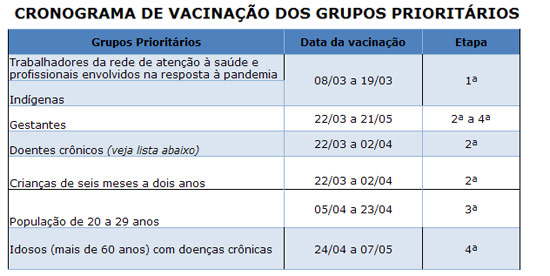
CDC’s Advisory Committee on Immunization Practices (ACIP) has recommended that certain groups of the population receive the 2009 H1N1 vaccine when it first becomes available. These target groups include pregnant women, people who live with or care for children younger than 6 months of age, healthcare and emergency medical services personnel, persons between the ages of 6 months and 24 years old, and people ages of 25 through 64 years of age who are at higher risk for 2009 H1N1 because of chronic health disorders or compromised immune systems. Here we include Diabetic people.
Quem deve receber a vacina?
Comitê do CDC em práticas de imunização recomenda a vacinação prioritária para grupos definidos da população assim que a vacina estiver disponível. São eles: Mulheres grávidas, pessoas que vivam ou cuidem de crianças menores de 6 anos, pessoas ligadas a serviços de saúde e serviços de emergência médica, pessoas entre 6 meses e 24 anos de idade, e pessoas entre 25 e 64 anos de idade com doenças crônicas ou déficit imunológico. Aqui inclui-se as pessoas com diabetes
Who will be recommended to receive the 2009 H1N1 vaccine?
CDC’s Advisory Committee on Immunization Practices (ACIP) has recommended that certain groups of the population receive the 2009 H1N1 vaccine when it first becomes available. These target groups include pregnant women, people who live with or care for children younger than 6 months of age, healthcare and emergency medical services personnel, persons between the ages of 6 months and 24 years old, and people ages of 25 through 64 years of age who are at higher risk for 2009 H1N1 because of chronic health disorders or compromised immune systems. Here we include Diabetic people.
Quem deve receber a vacina?
Comitê do CDC em práticas de imunização recomenda a vacinação prioritária para grupos definidos da população assim que a vacina estiver disponível. São eles: Mulheres grávidas, pessoas que vivam ou cuidem de crianças menores de 6 anos, pessoas ligadas a serviços de saúde e serviços de emergência médica, pessoas entre 6 meses e 24 anos de idade, e pessoas entre 25 e 64 anos de idade com doenças crônicas ou déficit imunológico. Aqui inclui-se as pessoas com diabetes
domingo, 1 de novembro de 2009
Ação da Sociedade Brasileira de Diabetes

fonte da foto diamundialdodiabetes.org
COMUNICADO DA SOCIEDADE BRASILEIRA DE DIABETES - 01/11/09
Em mais uma excelente ação da Sociedade Brasileira e com intúito de divulgar o Dia Mundial do Diabetes que acontecerá o próximo 14 de Novembro a Sociedade Brasileira de Diabetes em parceria com a Biruta Mídias Mirabolantes e o patrocínio de vários Laboratórios, desenvolveram uma impactante ação para conscientizar a população sobre os riscos e as formas de prevenção do Diabetes.
O Tático móvel, que consiste em uma dobló adesivada projetando imagens nos prédios da cidade em movimento e som. Serão exibidas duas animações com o objetivo de educar e prevenir a população sobre como evitar e reconhecer os sintomas da doença. O Tático circulará pelos principais pontos de São Paulo e Rio de Janeiro entre os dias 02 até 14 de Novembro. Fiquem atentos!.
Auto Monitorização Contínua da Glicose em Pacientes Diabéticos tipo 1

Fatores Preditivos de benefícios do uso do CGMS (sistema de monitorização contínua da glucose) em diabéticos tipo 1. Diabetes pg. 1947-1953 Juvenile Diabetes Research Foundation Continuous Glucose Monitoring Study Group Article
Estudo Publicado no Diabetes Care agora em novembro 2009 (Diabetes Care - Vol 32 November 2009) serviu para avaliar os fatores associados com o uso bem sucedido de monitoração contínua da glicose (CGM) entre os pacientes diabéticos tipo 1 tratados intensivamente na pesquisa da Fundação Diabetes juvenil, sendo um estudo randomizado. INVESTIGAÇÃO E MÉTODOS: Os 232 participantes distribuídos aleatoriamente para o grupo CGM (165 com base A1C> = 7,0% e 67 com A1C <7,0%) foram convidados a usar CGM em uma base diária. As associações de fatores de base e uso precoce com o uso CGM CGM> = 6 dias / semana, no mês 6 e com a mudança na A1C desde o início até 6 meses, foram avaliados em modelos de regressão. RESULTADOS: O CGMS mostrou-se efetivo em pacientes com mais de 25 anos e em pacientes com maior frequência de auto-monitorização. Após 6 meses, o uso diário CGM é mais freqüente em adultos tratados intensivamente com diabetes tipo 1 do que em crianças e adolescentes, embora em todas as faixas etárias o uso diário CGM está associado com uma redução similar da A1C. Freqüência de auto-monitorização de glicose no sangue e uso CGM inicial pode ajudar a prever a probabilidade de benefício a longo prazo CGM em pacientes tratados intensivamente com diabetes tipo 1 de todas as idades. (C) 2009 pela American Diabetes Association, Inc
Assinar:
Postagens (Atom)


 Postagens


